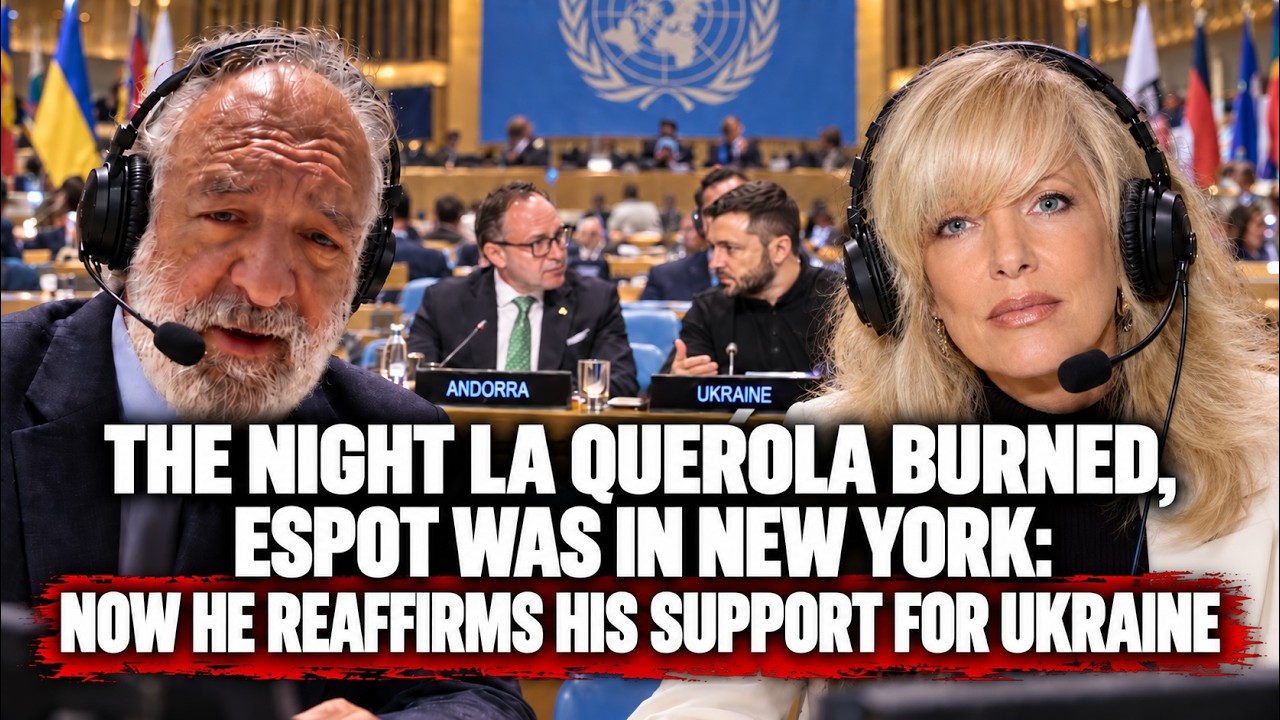
September 23, 2026 presents an extraordinary split-screen image: Andorran Prime Minister Xavier Espot is in New York alongside Volodymyr Zelensky, reaffirming Andorra’s support for Ukraine, while 6,000 kilometres away firefighters are extinguishing the remains of La Querola, Ordino’s €130 million ultra-luxury residential project.
September 23, 2026 presents an extraordinary split-screen image: Andorran Prime Minister Xavier Espot is in New York alongside Volodymyr Zelensky, reaffirming Andorra’s support for Ukraine, while 6,000 kilometres away firefighters are extinguishing the remains of La Querola, Ordino’s €130 million ultra-luxury residential project.
Germany has just produced one of the most striking political contrasts in Europe: Die Linke wins Berlin while AfD dominates in Mecklenburg-Western Pomerania.
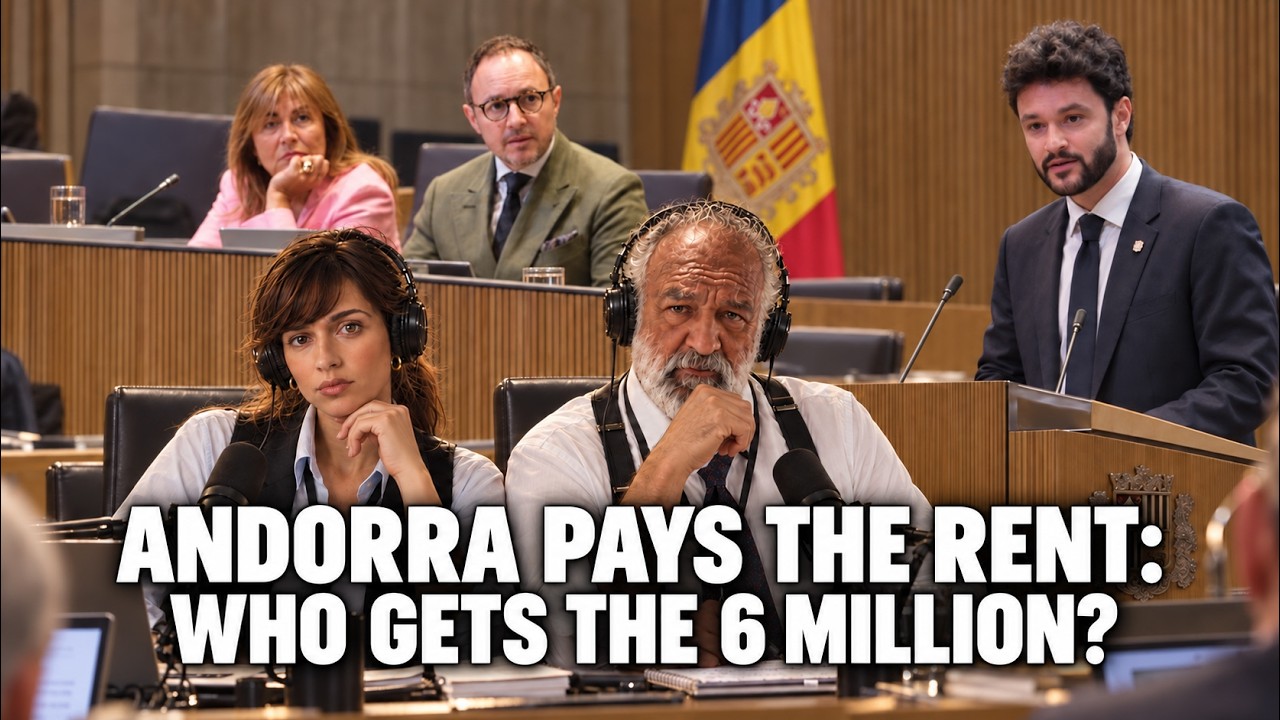
Andorra’s housing crisis has reached a new political and legal flashpoint. The Government of Xavier Espot and Demòcrates per Andorra has announced a €6 million rental-aid programme built around a simple promise: households should not spend more than 30% of their income on rent. On paper, it sounds protective.
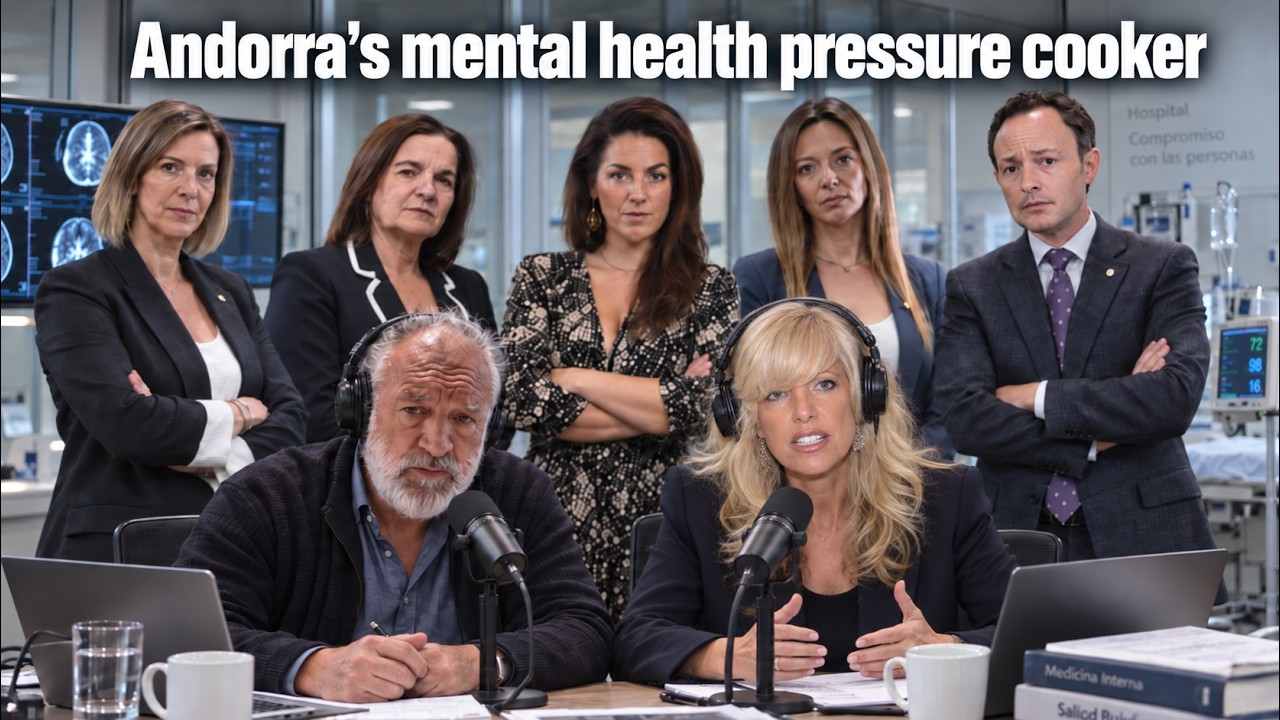
Andorra presents itself as one of Europe’s safest and wealthiest microstates. But behind that image lies a question this investigation refuses to soften: what happens when the people responsible for saving lives are themselves working inside a system stretched to breaking point?
Andorra is often presented internationally as one of Europe’s safest, wealthiest and most desirable places to live: a prosperous Pyrenean microstate of ski resorts, low taxes, pristine streets and financial stability.
Can a magistrate with no publicly documented law degree serve as rapporteur in a constitutional case involving privacy, sensitive personal data, and fundamental rights?
The disappearance of more than 400 kilograms of original 35mm negative became a turning point in Josep Guirao’s career. After exile and his confrontations with Andorran institutions, he turned to technology in search of a system that could free creators from laboratories, physical media and intermediaries capable of…
At just 21, Josep Guirao was already publishing in Poble Andorrà, covering theatre, culture, accidents, international conflicts, nuclear energy, military affairs, interviews and institutional issues.
The Andorran Data Protection Agency (APDA) has archived the complaints about artificial intelligence, video surveillance and body cameras with an unacceptable logic: it demands that citizens prove the damage has already happened, when its legal and institutional duty is to prevent that damage from occurring.
In this debate episode, we examine the Resma Punjabi case and the crisis that shook Andorra’s Data Protection Agency, the APDA. Drawing on documented facts, legal reforms, political tensions, and media coverage, two voices confront different interpretations of the same sequence of events.
 Veure vídeo 1:34 · English