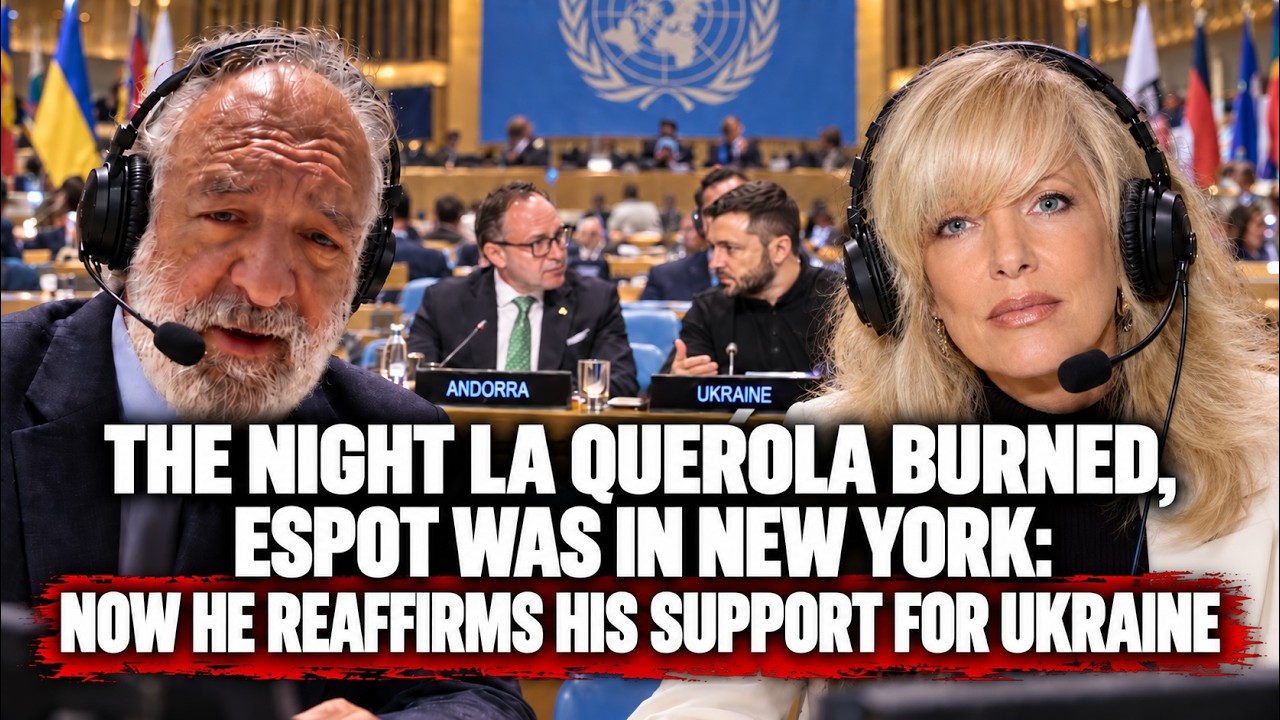
Original text published by No es época para tontos.
Andorra’s housing crisis has reached a new political and legal flashpoint. The Government of Xavier Espot and Demòcrates per Andorra has announced a €6 million rental-aid programme built around a simple promise: households should not spend more than 30% of their income on rent. On paper, it sounds protective. But this investigation asks the question the headline does not answer: if the State covers the difference, who ultimately captures the money?
This episode examines whether a policy presented as support for tenants could become an indirect public guarantee for private rental income. The risk is straightforward. If there is no hard ceiling on the eligible rent, no €/m² limit, no freeze clause, no anti-capture mechanism and no enforceable obligation on the landlord, the tenant may remain capped at 30% while the public subsidy absorbs future rent increases. In that scenario, the legal beneficiary may be the tenant, but the economic beneficiary can be the landlord.
The programme is especially controversial because it appears after years of emergency lease extensions, chronic housing shortages and delayed structural solutions. At the same time that the Government is moving toward greater freedom of contract, it is preparing millions of euros in public funds to soften the consequences. The central political contradiction is unavoidable: is Andorra socialising the cost of private rents while preserving private pricing power?
The podcast also examines the striking contrast with public housing, where the same 30% affordability logic operates against a regulated price. If the public sector protects itself with controlled rents, why should taxpayers potentially guarantee prices set in the private market without equivalent safeguards?
The legal analysis goes further. The Andorran Constitution requires legality, legal certainty, equality and protection against arbitrary public action. The Codi de l’Administració requires general interest, objectivity, neutrality and impartiality. Subsidy rules require clear criteria, regulatory bases, budgetary control and transparency. Law 11/2026 imposes limits on certain rent increases and sanctions unlawful increases. That creates a fundamental red line: public money should never be used to subsidise a rent that violates applicable legal limits.
The investigation also focuses on future accountability. Approving a programme today does not create immunity tomorrow. If later audits, administrative proceedings or courts establish unlawful expenditure, arbitrary criteria, illegal rents being subsidised, conflicts of interest or misuse of powers, decisions can be reviewed and responsibilities may follow. Political responsibility must be distinguished from invalid administrative acts, patrimonial or disciplinary consequences, and possible criminal responsibility, which would require evidence and the full legal elements of an offence.
Special attention is given to the 17 September session of the Consell General and to what Concòrdia should force the Government to answer publicly: Where exactly do the €6 million come from? What is the budget line? What is the maximum eligible rent? Are unlawful rents automatically excluded? Can landlords raise rents after aid is granted? Would the subsidy increase too? What obligations do landlords assume? Who legally receives the money? What anti-capture study exists? What data will be published so taxpayers can see whether the policy reduces hardship or inflates rents?
The episode also reviews the positions of PS and Andorra Endavant, and asks whether an oral parliamentary question is enough if the answers remain vague. A later motion imposing hard safeguards — maximum eligible rents, exclusion of unlawful rents, no automatic subsidy increase after a rent rise, binding landlord obligations, budget traceability and independent evaluation — could be far more consequential.
This is not an accusation of corruption or personal enrichment without evidence. It is a forensic examination of how public money is designed, who may benefit economically, what legal firewalls are missing and what happens if those safeguards fail.
Helping tenants is legitimate and necessary. But using public money without clear limits to sustain excessive or unlawful private rents would not be social policy. It would be a systemic risk.
The final question is simple: what is the maximum rent the Andorran taxpayer is willing to guarantee with public money?