What happens when the state can freeze your bank accounts almost immediately, but the justice system then leaves your case effectively inactive for 66 months?
Andorra’s housing crisis has reached a new political and legal flashpoint. The Government of Xavier Espot and Demòcrates per Andorra has announced a €6 million rental-aid programme built around a simple promise: households should not spend more than 30% of their income on rent. On paper, it sounds protective.
Andorra presents itself as one of Europe’s safest and wealthiest microstates. But behind that image lies a question this investigation refuses to soften: what happens when the people responsible for saving lives are themselves working inside a system stretched to breaking point?
Andorra is often presented internationally as one of Europe’s safest, wealthiest and most desirable places to live: a prosperous Pyrenean microstate of ski resorts, low taxes, pristine streets and financial stability.
A billion euros, a failed bank, a last-minute change in the law — and a private company whose appointment raises serious questions about how one of Andorra’s most sensitive financial liquidations is being controlled.
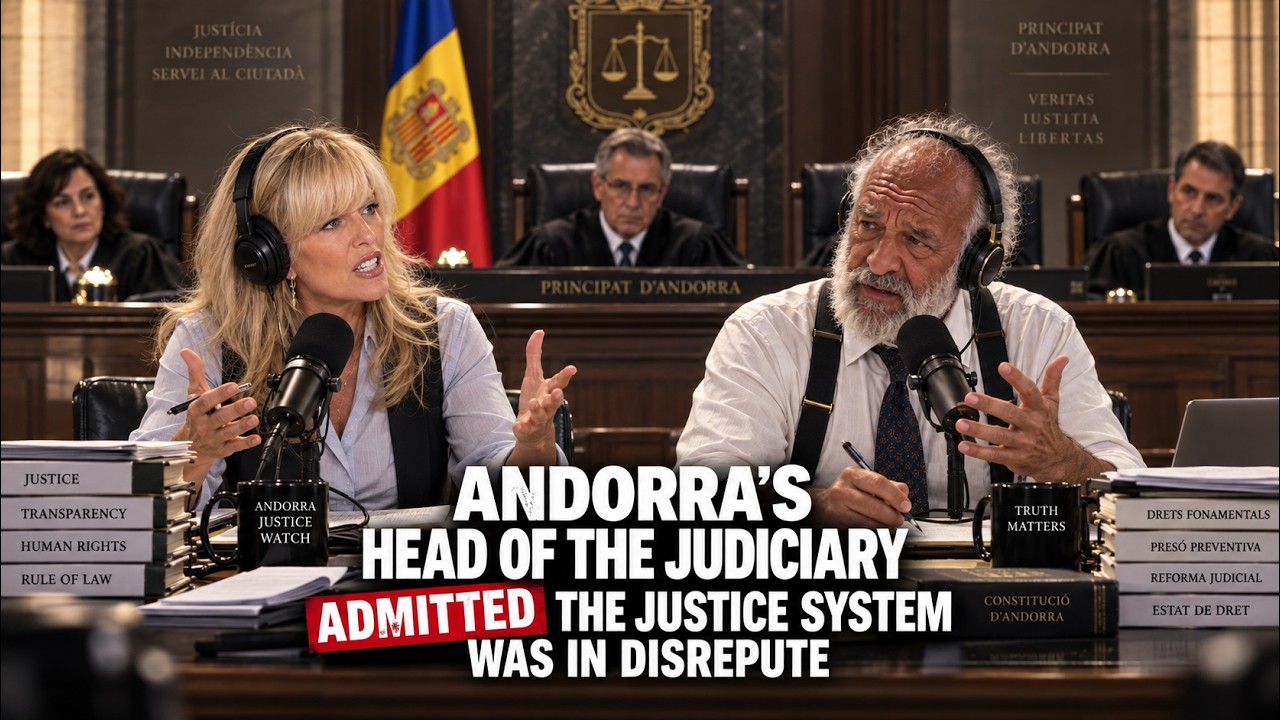
How independent can a justice system truly appear when the heads of state themselves participate directly in appointing those who govern the judiciary and sit on the Constitutional Court? This investigation examines Andorran justice not as a collection of isolated delays or individual controversies, but as a structural problem…
On April 2, 2023, Andorra held a general election that should have been protected by the full force of the rule of law. Instead, this episode investigates one of the darkest democratic questions in modern Andorran politics: how could 9,010 early judicial votes — nearly half of the political will of the country — end up stored…
n Ordino’s 2023 local election, Maria del Mar Coma won 55.64% of the vote and Enric Dolsa 44.36%. Yet the final institutional result was not 6–4 or anything close to the voters’ actual split. It became 8 councillors to 2 — 80% of the institutional power versus 20%. The voters did not create that supermajority. The electoral law did.
This investigation examines whether Andorra’s justice system has the structural safeguards required to guarantee genuine judicial independence in one of Europe’s smallest and most interconnected states.
What happens to the right of defence when a lawyer who criticizes a judge, prosecutor, police officer or state expert can be fined, prosecuted, disciplined—or permanently removed from the profession—by that same system?
 Watch video 40:39 · English