Andorra is spending millions on Microsoft while presenting its digital transformation as a project of modernization, efficiency, cybersecurity and technological sovereignty.
In 2025, the artificial intelligence race looked deceptively simple: OpenAI, Google, Anthropic, Meta and xAI were fighting to build the smartest model on Earth. By 2026, that race had fractured into something far bigger. The real battle is no longer only about code.
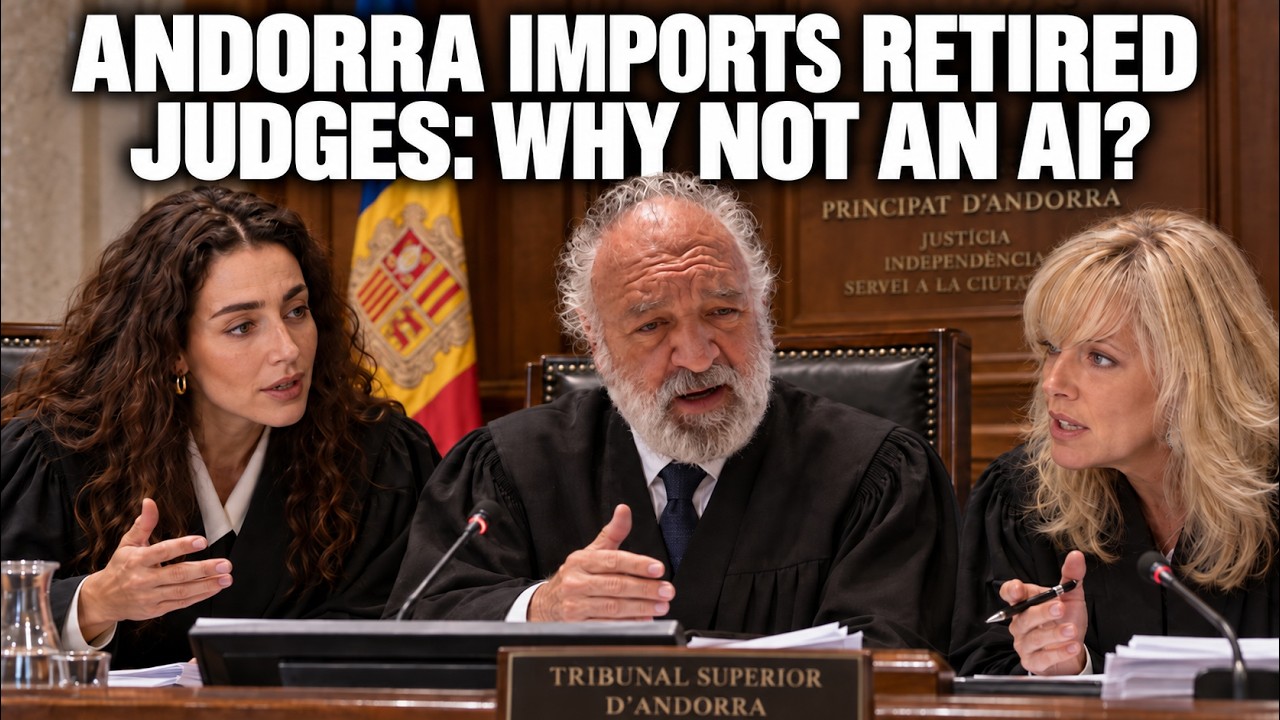
What happens when a justice system demands rigorous testing, traceability and permanent verification from artificial intelligence, yet largely assumes that a human judge remains cognitively fit to exercise enormous coercive power?
The Andorran Data Protection Agency (APDA) has archived the complaints about artificial intelligence, video surveillance and body cameras with an unacceptable logic: it demands that citizens prove the damage has already happened, when its legal and institutional duty is to prevent that damage from occurring.
This podcast explores the growing issues of privacy, digital rights, and technological power in Andorra. It critically analyzes how European legislative proposals, presented under the banner of administrative simplification, could weaken personal data protection.
In this debate episode, we examine the Resma Punjabi case and the crisis that shook Andorra’s Data Protection Agency, the APDA. Drawing on documented facts, legal reforms, political tensions, and media coverage, two voices confront different interpretations of the same sequence of events.
In this episode, we examine the so-called Punjabi case and the institutional crisis surrounding Andorra’s Data Protection Agency, the APDA. Through legal reforms, political tensions, media coverage, and a detailed timeline of key events, we explore how an institution created to protect fundamental rights could end up weakened,…
 Watch video 37:24 · English