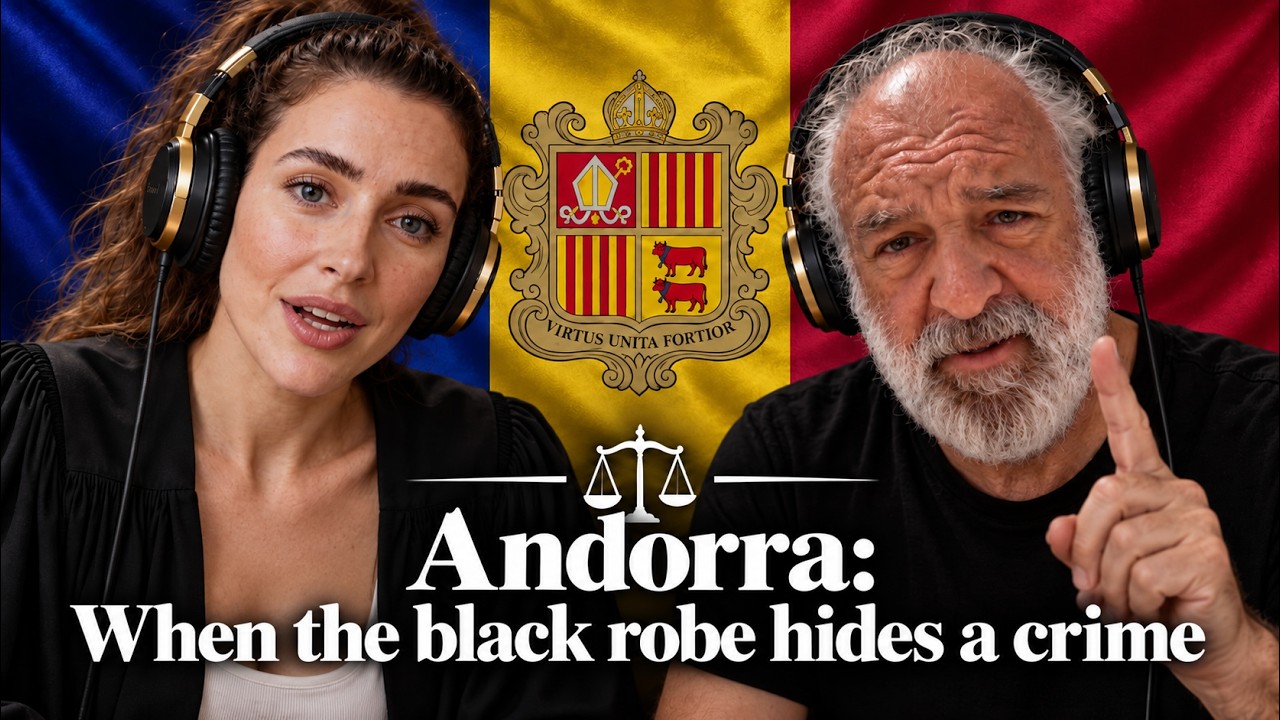
Andorra Justice Watch rouvre l’affaire Jaume Cabot à l’approche du 21e anniversaire du signalement, le 6 octobre 2026. L’enquête revient sur une affaire que la transcription présente comme un renversement spectaculaire des rôles : un homme signale une faille touchant près de 16 000 comptes et mots de passe du réseau STA, puis…
Andorra Justice Watch reopens the Jaume Cabot case as the 21st anniversary approaches on October 6, 2026. The transcript places a crucial moment on October 6, 2005, when Cabot handed the password file and supporting evidence to the Andorran Data Protection Agency, believing he was performing a civic duty.
Quan una crítica política deixa de ser debatuda i comença a ser traduïda al llenguatge de la corrupció, la prevaricació i la Fiscalia, la qüestió ja no és només què s’ha dit, sinó qui transforma les paraules, amb quin criteri i amb quin efecte sobre el debat democràtic.
What happens when a justice system demands rigorous testing, traceability and permanent verification from artificial intelligence, yet largely assumes that a human judge remains cognitively fit to exercise enormous coercive power?
Que se passe-t-il lorsqu’un système judiciaire exige de l’intelligence artificielle des tests rigoureux, une traçabilité totale et une vérification permanente, tout en présumant qu’un juge humain reste cognitivement apte à exercer un pouvoir considérable ?
What happens when the state can freeze your bank accounts almost immediately, but the justice system then leaves your case effectively inactive for 66 months?
Què passa quan, en un microestat, les mateixes persones i els mateixos cercles institucionals apareixen una vegada i una altra entre el Govern, la Fiscalia, els tribunals i l’òrgan que governa els jutges?
How independent can a justice system truly appear when the heads of state themselves participate directly in appointing those who govern the judiciary and sit on the Constitutional Court? This investigation examines Andorran justice not as a collection of isolated delays or individual controversies, but as a structural problem…
n Ordino’s 2023 local election, Maria del Mar Coma won 55.64% of the vote and Enric Dolsa 44.36%. Yet the final institutional result was not 6–4 or anything close to the voters’ actual split. It became 8 councillors to 2 — 80% of the institutional power versus 20%. The voters did not create that supermajority. The electoral law did.
This investigation examines whether Andorra’s justice system has the structural safeguards required to guarantee genuine judicial independence in one of Europe’s smallest and most interconnected states.
 Ver vídeo 19:59 · Français